Xiangqi Endgame Challenge
Horse cannon
1 / 18Mate patternsRed to mate
Xiangqi Endgame Challenge
Clear the Mates, Then the Book
The campaign is laid out as stages. Start with mate patterns, then play all 551 compositions from the Ming treatise Shi Qing Ya Qu, then convert chariot, horse, and cannon endings. You move first against multiple AI levels. Open the stage grid to jump anywhere; clears stay in this browser so the next stage is waiting.
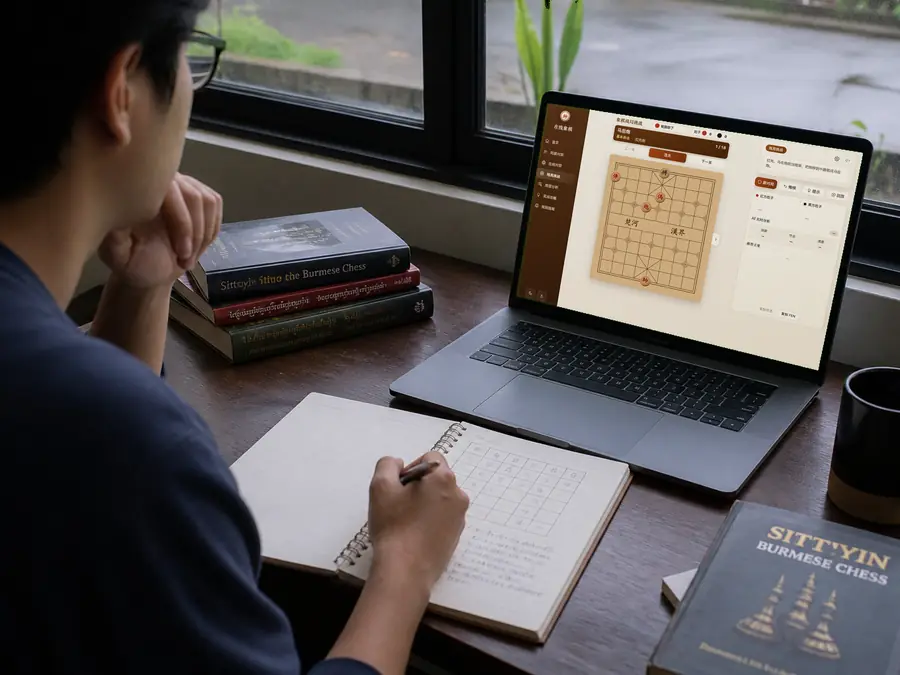
See the Shape on the Mate Stages
Horse-cannon, stacked cannons, crossed chariots, and the iron bolt are shapes, not piece counts. Point to the key piece, name whether the move seals a flight square or takes the center file, then play it. Those same shapes come back wearing different clothes in the old book.

Pick Classics by the Old Titles
Shi Qing Ya Qu keeps the original names and is split into volumes. Hunt short mates by ply count, or open the draw studies if you want to hold. Keep a candidate before you ask for a hint; many of these races punish a slow first move.
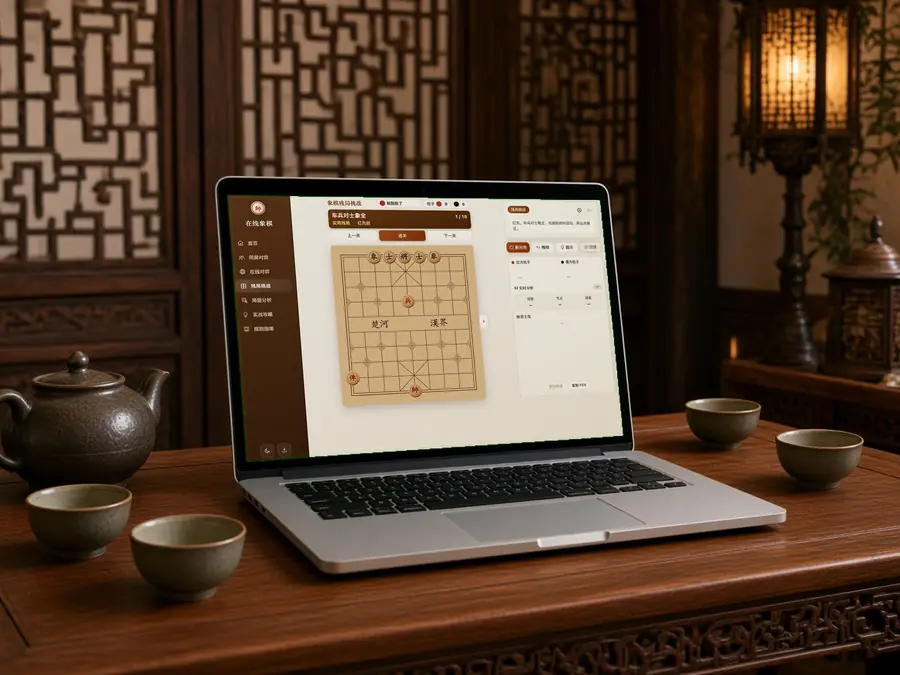
Do Not Trade Off Your Last Attacker
Chariot, horse, and cannon versus advisors and elephants win by shrinking the general's space, then escorting the pawn. Trading your only attacking piece too early often makes the position drawn. In replay, stop where the general could still step aside, and close the door before advancing.
Common Questions
How is the endgame challenge different from the AI game on the home page?
The home page is a full game from the starting array. Here you get a preset mating position: you move first as Red, multiple AI levels defend the stage, and the point is to find the correct line. Stages are grouped into mate patterns, the old book, and practical endings. Open Stages to jump in; you do not have to play from the opening down to an ending.
Can I play in the browser on a phone or computer, without an account?
Yes. Open this page and play. No account, no app. Picking stages, hints, undo, and clear records all stay on this page.
How are the stages ordered, and can I start anywhere?
There are three chapters: basic mate patterns, the Ming treatise Shi Qing Ya Qu, then practical chariot, horse, and cannon endings. Stages lets you open any study; Prev and Next sit above the board. On a first visit the page continues from a stage you have not cleared, so you do not have to work through the list in order.
Which side do I play, and who is the opponent?
You always move first as Red. Black is the AI level currently set in the sidebar. Each stage is a fixed position, so you do not choose colors; change difficulty by changing the sidebar level.
If I get stuck, does a hint reveal the whole solution?
No. A hint marks the move the current AI level likes, so you can compare it with your idea. It does not dump the rest of the line. Keep a candidate of your own first: many of the old-book stages are races, and a slow first move gets you mated. Hints use the same search as that AI level; they do not silently switch to the strongest one.
Can I undo a mistake, and does that wipe a clear?
You can undo, step back, and try another line. Clearing a stage is not undone by taking back a move. Clears stay in this browser, so the next time you open the page you can still pick stages you have not finished.
Where is my progress stored, and does it follow me to another device?
The list of clears lives in this browser on this device. A refresh usually keeps it. It will not appear on another phone or computer, and there is no account to restore it after you clear this site’s data. If a study matters, note the name and open it again from Stages on the new device.
How should I choose an AI level for endgame practice?
The sidebar has multiple strengths. They change how deeply the engine searches and how well it replies; they are not ranks and there is no rating. Start lower on the mate-pattern stages until the shapes feel familiar. If the old-book stages keep counter-mating you, raise the level so the defense is tighter, then compare with a hint to see which ply you missed.
Where do the Shi Qing Ya Qu stages come from?
The names and positions come from the Ming treatise Shi Qing Ya Qu and are in the public domain. This site uses an open-source index to put those boards on the board. The basic mate patterns and the practical endings were arranged here. The old book is often a race to mate; the practical endings are the slower work of shrinking the general and escorting a pawn. They train different habits.
After I clear a stage, how do I go on, and can I replay one I already cleared?
Use Next, or open Stages and tap a study you have already cleared. Replaying does not remove the clear. That is useful when you want to walk the same shape again and check that the first pass was not luck.